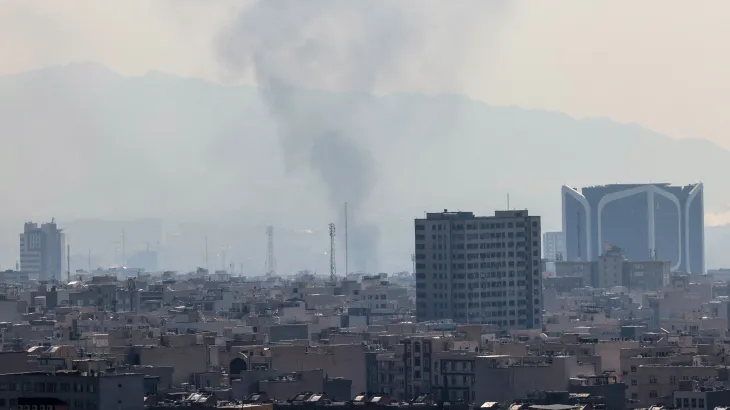
The US-Israel military campaign against Iran has entered its second week, with American and Israeli forces having struck over 3,600 targets inside Iran, including military installations, missile facilities, and infrastructure in Tehran and other cities. The conflict, which began with coordinated airstrikes targeting Iran’s nuclear and military programs, has dramatically reshaped the geopolitical landscape of the Middle East.
US President Donald Trump has rejected any ceasefire negotiations, stating Iran must offer “unconditional surrender” before any talks can begin. Trump also indicated he views Iran’s Supreme Leader’s son as “unacceptable” for leadership and has called for a complete restructuring of Iran’s political leadership.
The conflict has triggered a major global oil crisis. Oil prices have surged over 10% amid fears of disruptions to the Strait of Hormuz — one of the world’s most critical shipping lanes. Saudi Arabia has intercepted multiple Iranian drones targeting its oil facilities, while the Ras Tanura refinery has reportedly been damaged.
India has been granted a 30-day waiver by the US to continue purchasing Russian oil despite existing sanctions, recognizing India’s energy security needs. Protests have broken out in parts of India, particularly in Kashmir, over the conflict. Jammu and Kashmir Chief Minister Omar Abdullah has urged calm.