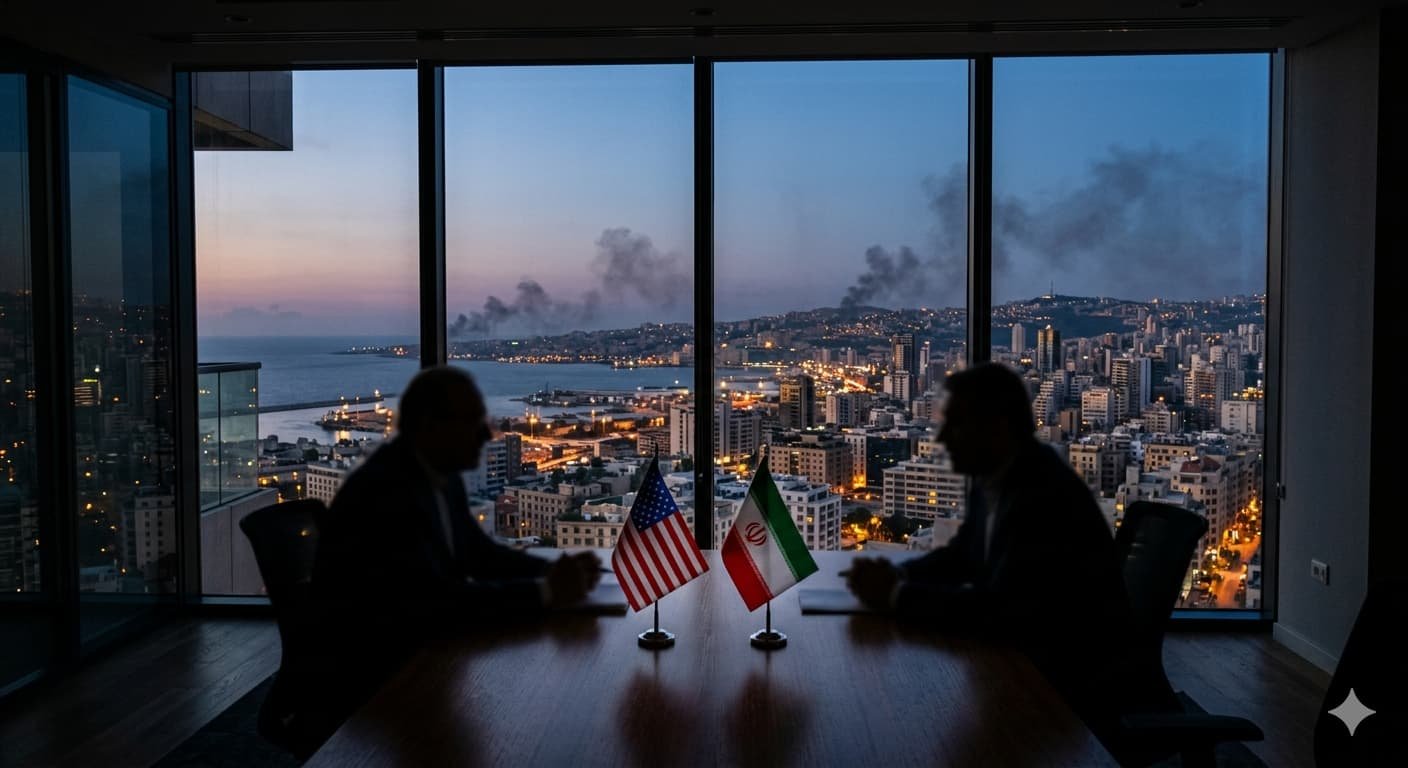
BEIRUT– Thursday, April 9, 2026 The two-week ceasefire between the United States and Iran, announced only 24 hours ago, is already on the brink of collapse. While diplomatic delegations prepare for high-stakes talks in Pakistan, a surge in Israeli military activity in Lebanon and fresh attacks on Gulf infrastructure have left global markets and regional leaders in a state of high alert.
Diplomacy: The “Islamabad Initiative”
An Iranian delegation is scheduled to arrive in Islamabad tonight for direct negotiations with U.S. officials, led by Vice President JD Vance. The talks, invited by Pakistani Prime Minister Shehbaz Sharif, are based on a “10-point proposal” from Tehran.
- The U.S. Stance: President Trump has maintained that the truce is contingent on two “red lines”: the permanent opening of the Strait of Hormuz and the verifiable surrender of Iran’s enriched uranium.
- Iranian Warning: Senior IRGC official Mohsen Rezaee warned today that the ceasefire’s survival rests on Washington’s ability to “leash” its allies, stating that continued provocations will be met with force.
The Lebanon Rift: A War Within a Truce
The primary threat to the peace deal is the escalating conflict between Israel and Hezbollah. Israel has officially declared that it does not consider Lebanon part of the U.S.-Iran truce.
- Beirut Bombardment: Wednesday saw the most violent strikes on the Lebanese capital since the war began in early March, with authorities reporting at least 254 deaths in a single day.
- Buffer Zones: Intelligence reports indicate that Israel is aggressively clearing a “buffer zone” in southern Lebanon up to the Litani River.
- Diplomatic Friction: The UK and Australia have both called for Lebanon to be included in the ceasefire agreement, while U.S. officials maintain that Lebanon is a separate security concern.
Energy & Shipping: Uncertainty in the Strait
Despite the announced reopening of the Strait of Hormuz, maritime activity remains paralyzed by fear.
- Toll Dispute: A new point of contention has emerged as Tehran proposes “transit fees” for vessels passing through the waterway. While some U.S. officials suggested a potential “joint venture” for collection, European powers insist the passage must remain toll-free.
- Infrastructure Attacks: A drone attack on a vital pipeline in Saudi Arabia on Wednesday has further rattled energy markets, proving that regional infrastructure remains a prime target.
Market Watch
- Oil: Brent crude prices have climbed back above $97 a barrel as skepticism grows over the truce’s durability.
- Gold: Prices remain steady at approximately $4,713, reflecting a cautious “wait-and-see” approach from global investors.