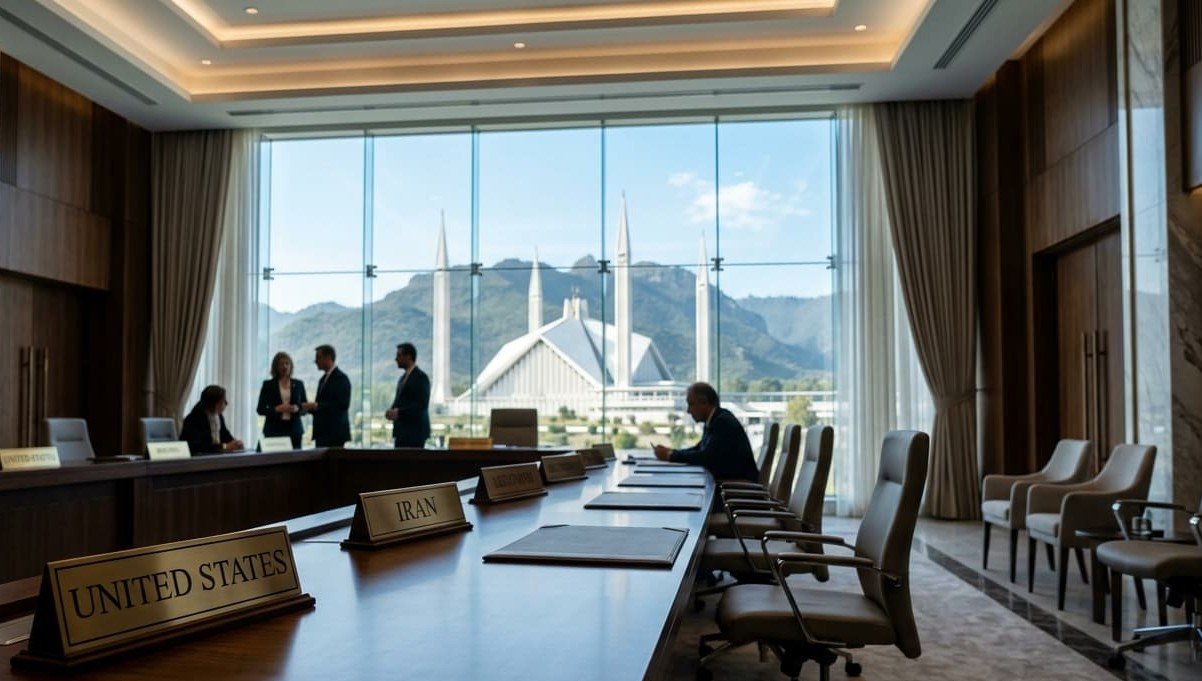
JERUSALEM / ISLAMABAD – A tense and fragile two-week ceasefire between the United States and Iran has entered its third day today, April 10, 2026. While the “Islamabad Initiative” offers the first real hope for peace since the conflict escalated in late February, continued strikes in Lebanon and a maritime standoff in the Strait of Hormuz threaten to derail the diplomatic momentum.
1. The Islamabad Summit: A High-Stakes Gamble
Diplomatic delegations are arriving in the Pakistani capital today for what analysts call the most consequential peace talks of the decade.
- The Players: U.S. Vice President JD Vance is leading the American delegation, which includes senior envoys Steve Witkoff and Jared Kushner. They are set to meet with an Iranian team led by Parliament Speaker Mohammad Baqer Qalibaf.
- The Proposal: Iran has presented a 10-point proposal demanding the lifting of all sanctions and the withdrawal of U.S. combat forces from the region. In exchange, Tehran has signaled a willingness to coordinate “safe passage” through the Strait of Hormuz.
2. Lebanon: The Ceasefire’s Weakest Link
Despite the broader U.S.-Iran truce, the “Northern Front” remains active.
- IDF Strikes: Early this morning, the Israeli Defense Forces (IDF) reported striking approximately 10 rocket launchers in southern Lebanon that were allegedly preparing for a barrage.
- Buffer Zones: Israeli officials have indicated a strategic shift toward “buffer zones” in Lebanon and Syria, suggesting that even if a deal is reached in Islamabad, Israel may continue operations to ensure long-term border security.
- Humanitarian Toll: The UN reports that displacement in Lebanon has now surpassed 1 million people, with health systems in Beirut and southern regions nearing total collapse.
3. The Strait of Hormuz: A Global Chokepoint
The reopening of the Strait of Hormuz is the primary condition for the ceasefire’s survival, but the situation on the water remains ambiguous.
- Stranded Vessels: The International Maritime Organization (IMO) estimates that 2,000 ships—including oil tankers and six cruise liners—remain stranded in the Persian Gulf.
- Toll Rumors: While President Trump has pushed for an “immediate and safe opening,” Tehran’s messaging suggests a new “oversight” model, leading to fears that Iran may attempt to impose a maritime toll on non-Iranian vessels.
- Economic Impact: Oil prices remain volatile, hovering above $100 per barrel as shipping companies wait for “physical security” rather than just political promises before resuming full transit.
4. Internal Shifts in Tehran
The talks come at a time of significant transition for Iran. Following the reported death of Supreme Leader Ali Khamenei in late February and the recent death of advisor Kamal Kharrazi, the Iranian National Security Council is under immense pressure to stabilize the economy.
Summary of Current Status (April 10, 2026)
| Sector | Status | Key Update |
| Military | Shaky Truce | IDF strikes continue in Lebanon; U.S. pauses strikes on Iran. |
| Energy | Critical | Strait of Hormuz transit remains minimal; prices >$100/bbl. |
| Diplomacy | Active | Summit begins in Islamabad today; China and Pakistan mediating. |
| Humanitarian | Severe | Over 1M displaced in Lebanon; Gaza evacuations suspended. |