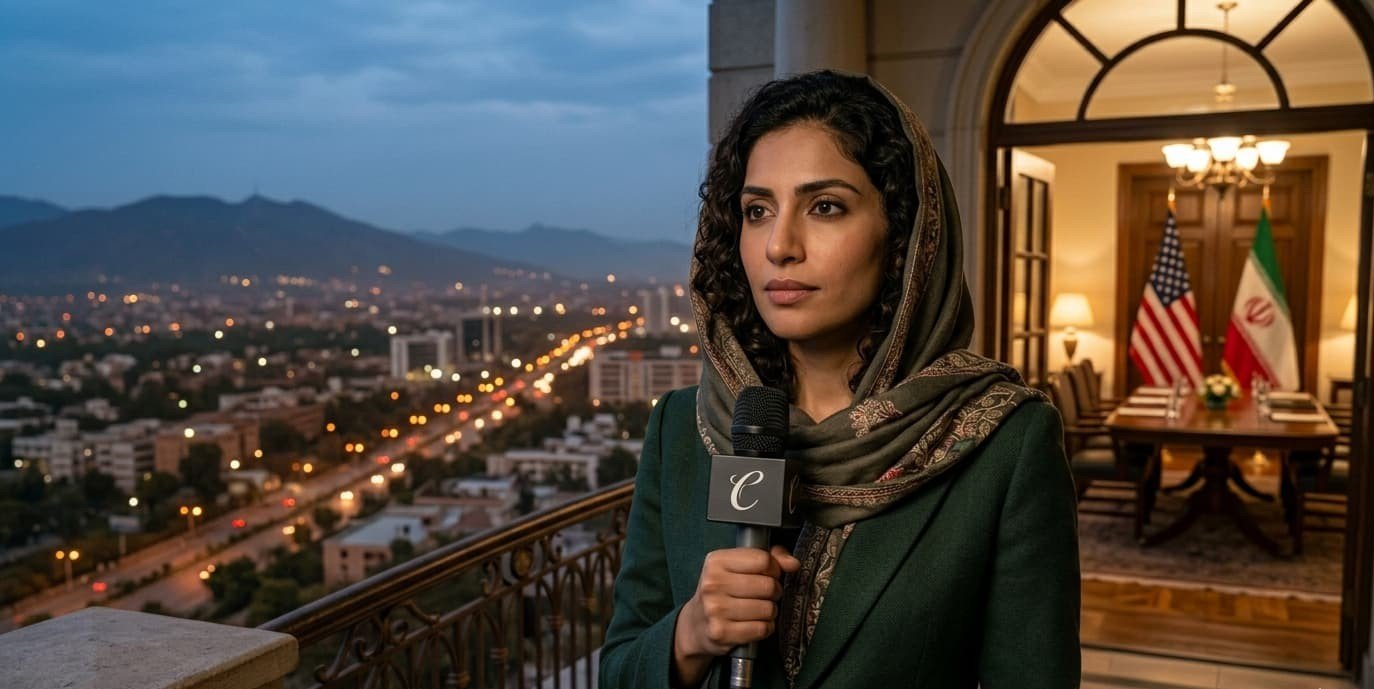
In a pivotal moment for Middle Eastern diplomacy, President Donald Trump announced today that Israeli Prime Minister Benjamin Netanyahu has agreed to “scale back” military operations in Lebanon. The move comes just 24 hours before high-stakes negotiations between U.S. and Iranian delegations are set to begin in Islamabad, Pakistan.
Key Highlights
- Diplomatic Pivot: President Trump confirmed a “low-key” approach from Israel following a direct appeal to Prime Minister Netanyahu.
- Islamabad Summit: U.S. and Iranian officials will meet Saturday to seek a definitive end to the month-long regional conflict.
- Market Response: Crude oil prices surged 5% to $100.1 per barrel as traders weighed the fragility of the current two-week ceasefire.
- Iranian Warning: President Masoud Pezeshkian cautioned that continued strikes would make upcoming negotiations “meaningless.”
A Delicate Truce in the Levant
The geopolitical landscape shifted late Thursday into Friday morning as President Trump revealed the details of a telephone interview regarding the “Eternal Darkness” operation. While Israel previously maintained that Lebanon was excluded from the two-week ceasefire with Iran, the President’s intervention suggests a tactical softening.
“I spoke with Bibi and he’s going to low-key it,” Trump stated, emphasizing a desire for regional cooling before the Islamabad summit. This development follows a week of intense volatility where Israeli strikes in Beirut and the Bekaa Valley resulted in significant casualties, drawing sharp condemnation from international observers, including Canada and Norway.
Oil Markets React to Strategic Uncertainty
The economic ripples of the conflict reached a boiling point today. After a dramatic 16% tumble earlier in the week, West Texas Intermediate (WTI) crude futures rebounded sharply to cross the $100 threshold. The market’s “whiplash” reflects deep-seated skepticism regarding the Strait of Hormuz.
Despite the ceasefire, reports of maritime disruptions and “tolls” allegedly charged by Iranian forces have kept energy analysts on edge. President Trump addressed these concerns on Truth Social, asserting that oil would continue to flow “with or without the help of Iran,” further complicating the pre-negotiation rhetoric.
The Road to Islamabad: Saturday’s Stakes
All eyes are now on Pakistan, where the U.S. delegation—rumored to be led by high-ranking administration officials—will meet their Iranian counterparts. The agenda is daunting: a permanent cessation of hostilities, the status of uranium enrichment, and the future of the “Resistance Axis” in Lebanon and Yemen.
Iranian Parliament Speaker Mohammad Bagher Qalibaf echoed the administration’s firm stance, noting that Lebanon remains an “inseparable part” of any long-term agreement. For the U.S., the goal is a “definitive end” to a war that has rapidly expanded across the Gulf, involving drone strikes in Kuwait and the UAE over the past month.
Impact Analysis
| Sector | Potential Impact | Outlook |
| Global Energy | High volatility; prices pegged to Strait of Hormuz stability. | Cautious / Bullish |
| Tech & Defense | Increased demand for interception systems (Iron Beam/Patriot). | Growth |
| Domestic Policy | Trump’s “America First” diplomacy faces a trial by fire. | Pivotal |
| Humanitarian | Potential for aid corridors if Lebanon strikes decrease. | Improving |