Key Highlights
- Victory Assurance: PM Modi claims the “mood of Bengal” signals a clear BJP mandate, vowing to return for the May 4 oath-taking ceremony.
- Attack on ‘Syndicate Raj’: The PM accused the ruling TMC of fostering institutional corruption and “crude bomb factories” in Barrackpore.
- High-Stakes Finale: Campaigning for the second and final phase of the West Bengal Assembly elections concluded today at 6 PM.
- Security Clampdown: The Election Commission has deployed massive central forces across 142 seats to prevent electoral violence.
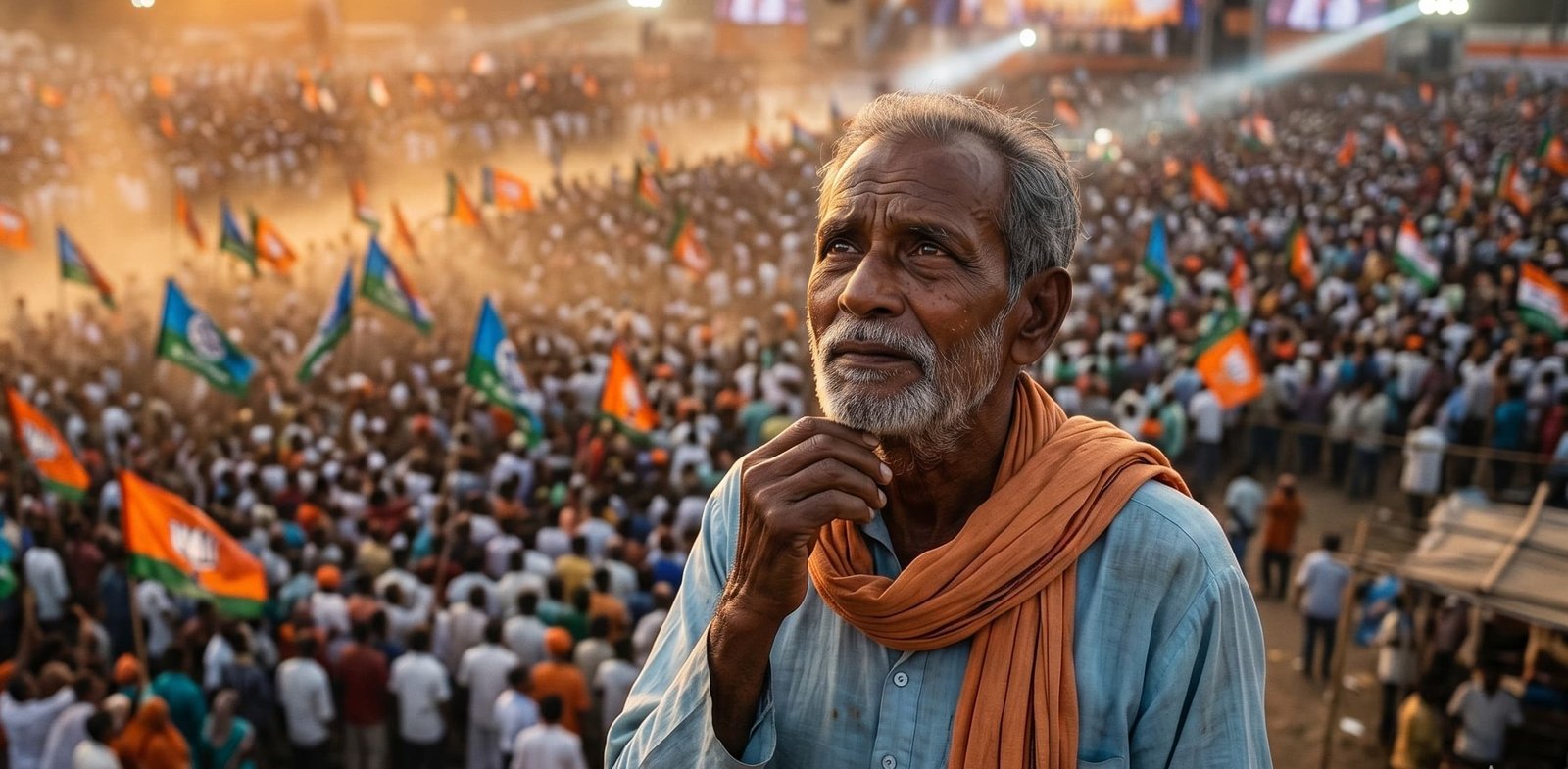
KOLKATA: On the high-octane final day of campaigning for the West Bengal Assembly Elections 2026, Prime Minister Narendra Modi today delivered a searing valedictory address in Barrackpore, asserting that the political tides in the East have turned decisively. With the second phase of polling looming, the Prime Minister didn’t just seek votes; he set a date with destiny, claiming he would return to the state shortly after the May 4 results to witness the swearing-in of a BJP-led government.
The historical soil of Barrackpore, the cradle of the 1857 Sepoy Mutiny, served as the backdrop for Modi’s “Vijay Sankalp” rally. Invoking the spirit of Mangal Pandey, the PM stated that just as Barrackpore ignited the first war of independence, it is now leading the “second liberation” of Bengal from the clutches of institutionalized corruption and “Syndicate Raj.”
The Battle of Narrative: Development vs. ‘Syndicate Raj’
The Prime Minister’s rhetoric was laser-focused on the economic stagnation of the state. He drew a sharp contrast between the BJP’s vision for a “Sonar Bangla” and what he termed the TMC’s legacy of “bomb over business.”
“On one hand, the state’s legendary jute mills are shutting down, and on the other, crude bomb factories are flourishing under the patronage of the ruling party,” Modi alleged, as the crowd erupted in chants of “Jai Shri Ram.” He further emphasized that the progress of the eastern region is the prerequisite for India becoming a global powerhouse, accusing Chief Minister Mamata Banerjee of obstructing central schemes out of “political ego.”
Security Concerns and the ECI’s Vigilance
As the clock struck 6 PM, marking the end of the official campaign period, the focus shifted from rallies to the security apparatus. This election cycle has been marred by allegations of voter roll deletions and mental stress among poll workers. In a late-evening development, TMC MP Mitali Bag alleged that her vehicle was vandalized by BJP supporters in Hooghly, a claim the saffron party dismissed as “political drama.”
Responding to the volatile atmosphere, Union Home Minister Amit Shah confirmed that central forces would remain stationed in the state for seven days post-results to ensure no “victory violence” erupts, regardless of the outcome.
The Final Countdown to May 4
The 2026 polls are being viewed as a referendum on the Trinamool Congress’s decade-plus rule. While Mamata Banerjee held a spirited roadshow in Bhabanipur today, targeting the Election Commission for its “partisan administration,” the BJP’s top brass has carpet-bombed the state with a centralized campaign theme: Paribartan (Change).
For the voters of 142 seats heading to the polls, the choice remains between the TMC’s localized welfare model and the BJP’s promise of a “double-engine” government.
Impact Analysis
- Political Stability: A BJP victory would redefine the federal structure, giving the NDA a crucial foothold in the East. Conversely, a TMC win would solidify Mamata Banerjee as the primary face of the national opposition.
- Economic Sentiment: Markets are closely watching the “Development” narrative. A shift in power could see a surge in infrastructure investments in the Hinjawadi-style IT corridors and manufacturing sectors.
- Law & Order: The heavy deployment of central forces suggests a zero-tolerance policy toward the “political violence” that has historically plagued Bengal elections.