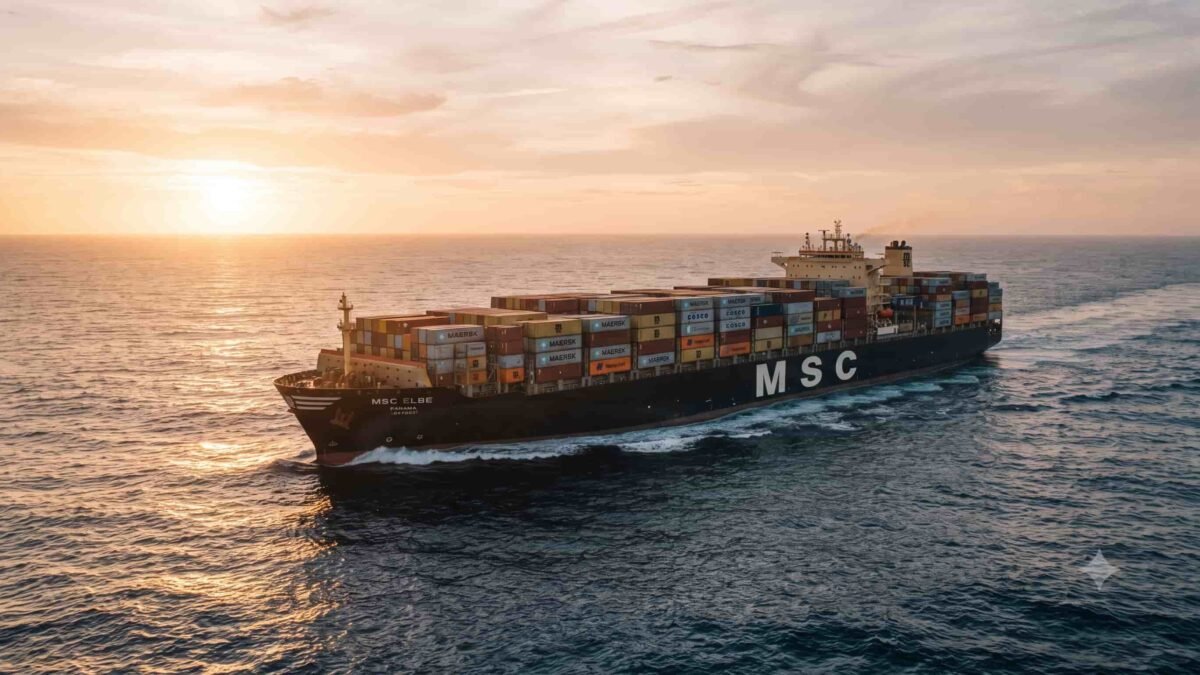
Diplomatic negotiations between Washington, Tehran, and Muscat reached a critical stage to establish a temporary transit framework for global shipping.
By DW Pulse | WASHINGTON — August 5, 2026 — High-level diplomatic engagements between the United States (US), Iran, and Oman advanced significantly toward a temporary Strait of Hormuz deal aimed at restoring safe merchant vessel transit through the strategic waterway.
Key Highlights
- Trilateral negotiations mediated by Oman enter advanced stages to establish a maritime passage framework.
- United Nations (UN) and International Maritime Organization (IMO) urged by global shipping bodies to preserve navigation rights.
- Proposed agreement seeks to stabilize international crude supply chains and lower global energy freight risks.
Strait of Hormuz Deal Progresses Amid Diplomatic Engagement
Diplomatic sources confirmed that trilateral discussions in Muscat focused on a structured agreement to allow merchant ships safe passage through the waterway. United States officials indicated that constructive progress had been made toward establishing verified maritime corridors.
The diplomatic engagement comes as global maritime authorities advocate for a immediate de-escalation to prevent disruption to global energy supplies. Iranian representatives noted that talks centered on administrative and security protocols governing commercial traffic.
Maritime Bodies Appeal to United Nations for Navigation Rights
Concurrently, eight major international maritime shipping organisations submitted a joint petition to United Nations (UN) Secretary-General António Guterres and International Maritime Organization (IMO) Secretary-General Arsenio Dominguez on August 5. The coalition called for strict adherence to the United Nations Convention on the Law of the Sea (UNCLOS).
[Read Also: Global Trade and Energy Supply Chains]
The joint letter emphasized that freedom of international navigation remains indispensable for global supply chain resilience, commercial stability, and the safety of commercial seafarers trapped in the region.
Global Markets Monitor Energy Shipping Corridors
Global energy markets responded with cautious optimism as news of the diplomatic progress emerged. The Strait of Hormuz handles approximately one-fifth of global petroleum volume, making its operational stability critical for international energy security.
Industry experts stated that a formalized transit framework would immediately reduce marine insurance premiums and de-escalate commercial freight bottlenecks between Asian, European, and Middle Eastern trade routes.