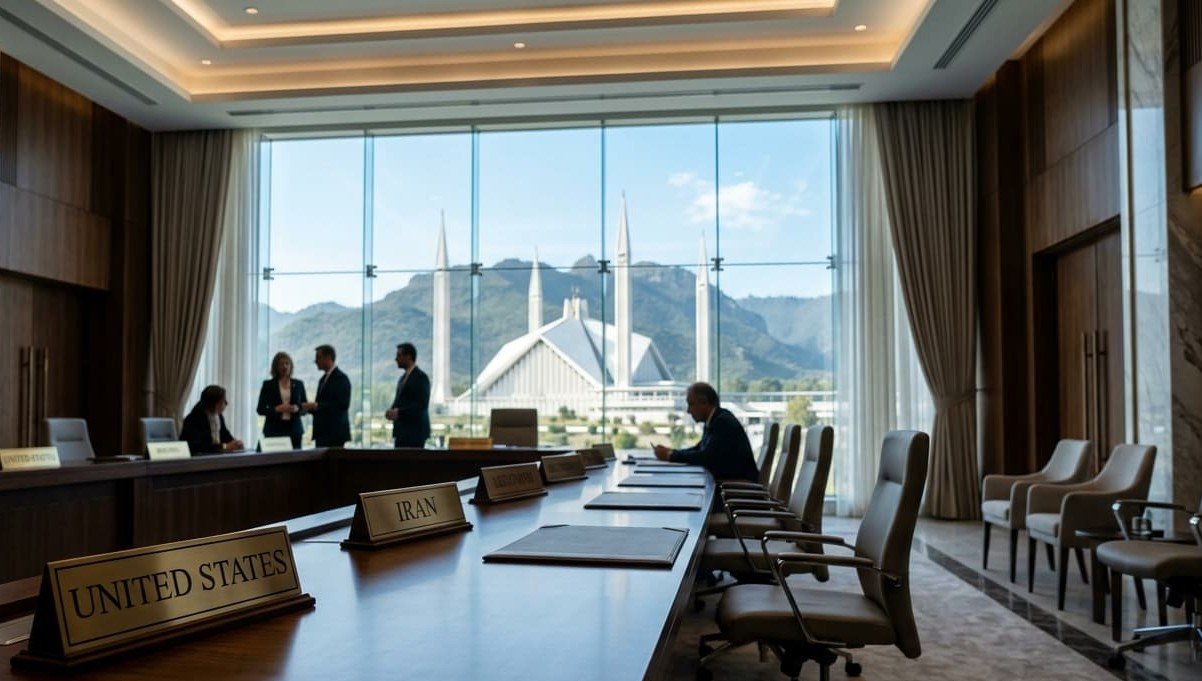
Tri-nation agreement emphasizes collective security and regional cooperation amidst escalating security concerns in the Middle East.
By DW Pulse | Riyadh – August 8, 2026 — Saudi Arabia, Türkiye, and Pakistan have officially signed a significant defense agreement, establishing a framework where an attack on one nation is treated as an attack on all three. This pact marks a major step in solidifying regional power dynamics during a period of heightened security tensions involving the ongoing conflict between the United States, Israel, and Iran.
Key Highlights
- The tripartite defense pact establishes a mutual security commitment similar to collective defense arrangements.
- Despite regional instability, experts suggest the agreement was in development for over a year and is not solely a reaction to current hostilities.
- The pact aims to drive deeper defense cooperation, intelligence sharing, and potential technology integration among the three Sunni-majority nations.
Strategic Implications and Regional Balance
While some observers have likened the agreement to a “Muslim NATO,” analysts caution that the practical military implications remain distinct from Western alliances. Türkiye remains a committed member of NATO, which continues to prioritize its interoperability with European defense forces. Furthermore, Saudi Arabia and Pakistan already maintained a strategic mutual defense agreement, and Saudi Arabia holds existing commitments under the Arab League regarding collective defense against external aggression.
Experts highlight a recurring gap between the declarative language of such pacts and the actual commitment of combat forces. The agreement is viewed primarily as a powerful symbol of shared interests and trust, which may facilitate enhanced intelligence and defense cooperation rather than immediate large-scale military mobilization.
Impact of the US-Iran Conflict
The ongoing six-month conflict has deeply impacted Gulf economies and trade routes, particularly regarding the security of the Strait of Hormuz. While some regional states have expressed frustration with the broader US security umbrella—which some argue attracts retaliatory strikes—there is no immediate indication of a total shift away from US partnerships.
Retired US military commander Lieutenant General Karen Gibson noted that while the US is viewed as a necessary partner for missile defense, the conflict has exposed flaws in initial planning assumptions. Despite the destruction of significant conventional military assets in Iran, the country retains leverage through its ability to influence traffic in the Strait of Hormuz