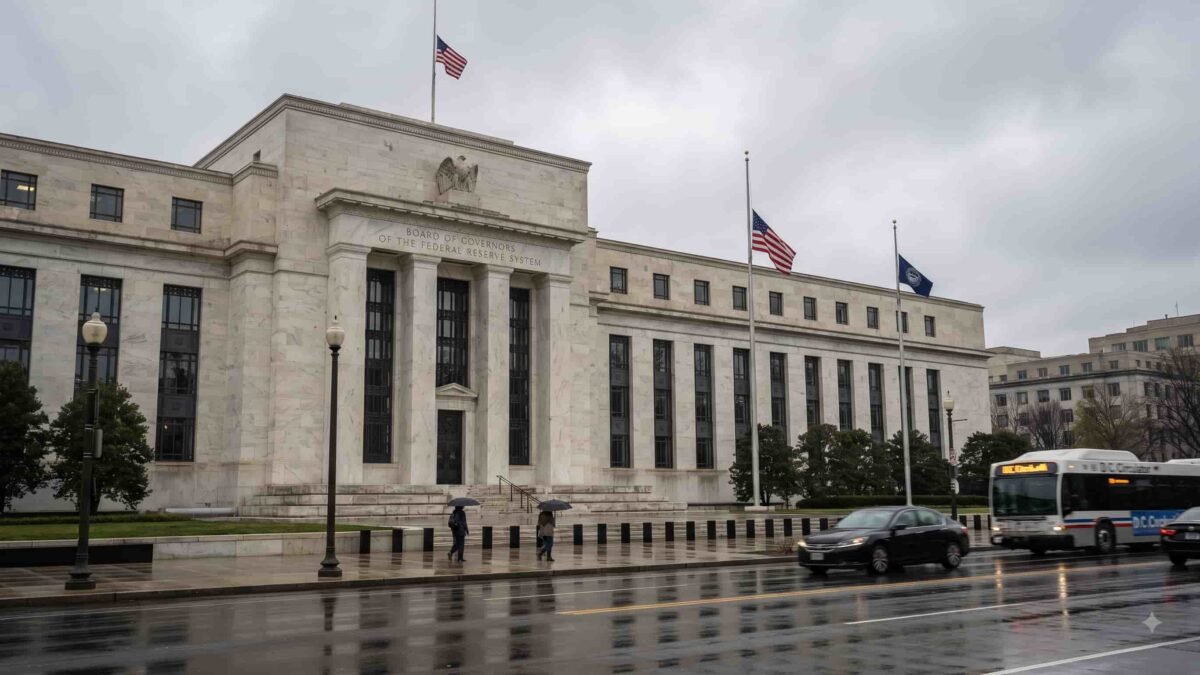
Analysts suggest the Federal Reserve could bypass further interest rate hikes this year as softer labor market data dampens second-order inflationary pressures.
By DW Pulse | Washington — August 12, 2026 — The U.S. Federal Reserve faces crucial decisions following the release of the latest Consumer Price Index report and cooling employment indicators. Financial experts note that weakening labor trends reduce the likelihood of aggressive monetary tightening or persistent wage-driven inflation pressures.
Key Highlights
- U.S. labor market data shows unexpected softness, easing concerns over aggressive wage inflation.
- Analysts indicate the Federal Reserve might successfully bypass additional interest rate hikes this year.
- Volatile oil prices and ongoing geopolitical tensions continue to introduce uncertainty for core inflation.
Evaluating Federal Reserve Policy Choices
Market participants closely monitor inflation data for guidance on future monetary policy decisions. Although rising oil costs pose risks to core inflation metrics, recent employment surveys reveal a cooling job market. According to financial strategists, reduced hiring momentum decreases the probability of broader wage-price spirals across the economy.
Currency Markets and Dollar Volatility
The greenback continues to experience fluctuating trading patterns as investors weigh potential central bank maneuvers against safe-haven demand. Speculation surrounding interest rate trajectories keeps currency markets volatile. Meanwhile, long-term discussions regarding global currency diversification persist alongside immediate cyclical recoveries.
Global Spillovers and Intervention Risks
International policymakers monitor currency fluctuations closely, particularly concerning the weakness of the Japanese Yen and potential intervention strategies. Analysts emphasize that interactions between treasury yields and debt maintenance costs will heavily influence future cross-border monetary dynamics.