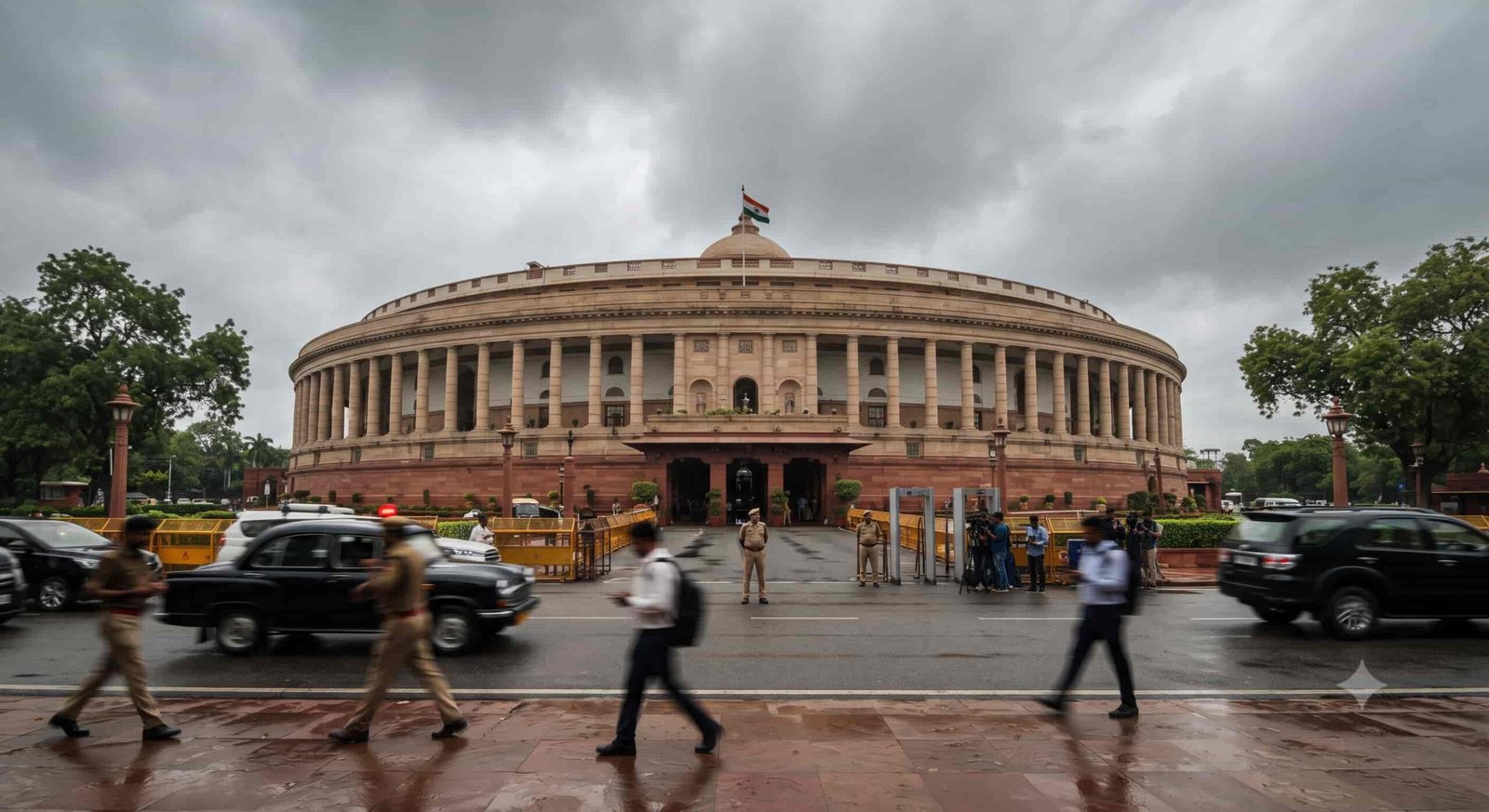
New Delhi pushes sweeping legislative changes to eliminate eligibility hurdles and position the country as a premier global fund management hub.
NEW DELHI – August 4, 2026
The Union Government has proposed a comprehensive restructuring of tax regulations for offshore investment vehicles under the Taxation and Other Laws (Amendment) Bill, 2026, aimed at accelerating capital inflows and establishing India as an international fund management centre.
The legislative framework, introduced to Parliament by the Ministry of Finance, removes legacy compliance barriers that previously constrained foreign participation. According to official policy documents, the initiative seeks to insulate domestic financial markets from external macroeconomic shocks while providing long-term tax certainty.
Easing Structural Eligibility Norms
Under the newly proposed provisions, Eligible Investment Funds (EIFs) managed from India will no longer face mandatory restrictions regarding investor concentration thresholds. Prior regulations required offshore funds to maintain a minimum of 25 investors, capped individual participation at 10%, and limited singular corpus allocations.
Tax experts note that dismantling these parameters removes friction for institutional investors. “These proposed changes are expected to significantly enhance the attractiveness of India’s onshore fund management ecosystem for offshore funds,” stated Abheet Sachdeva, Partner for M&A Tax at Nangia Global, citing official data.
Unifying Onshore And Offshore Frameworks
The legislative amendments eliminate historical distinctions between operations housed within the International Financial Services Centre (IFSC) and those functioning in domestic tariff areas. By introducing a single, unified eligibility framework, the Ministry of Finance intends to simplify corporate compliance architectures.
Furthermore, the Bill formalizes tax exemptions concerning interest income and capital gains earned by Foreign Portfolio Investors (FPIs) through sovereign instruments. This statutory update supersedes earlier interim ordinances enacted by the central administration.
Mitigating External Market Pressures
The policy intervention arrives as domestic financial markets navigate heightened volatility driven by fluctuating crude oil prices and global supply chain realignments. Grant Thornton Bharat Partner Richa Sawhney observed that the structural reforms signify a decisive shift toward long-term competitiveness.
“The liberalisation of the fund management regime and tax relief for foreign investors collectively point towards a policy objective of attracting global capital and business activity,” Sawhney noted. The Lok Sabha is scheduled to review the legislation during the ongoing parliamentary session.