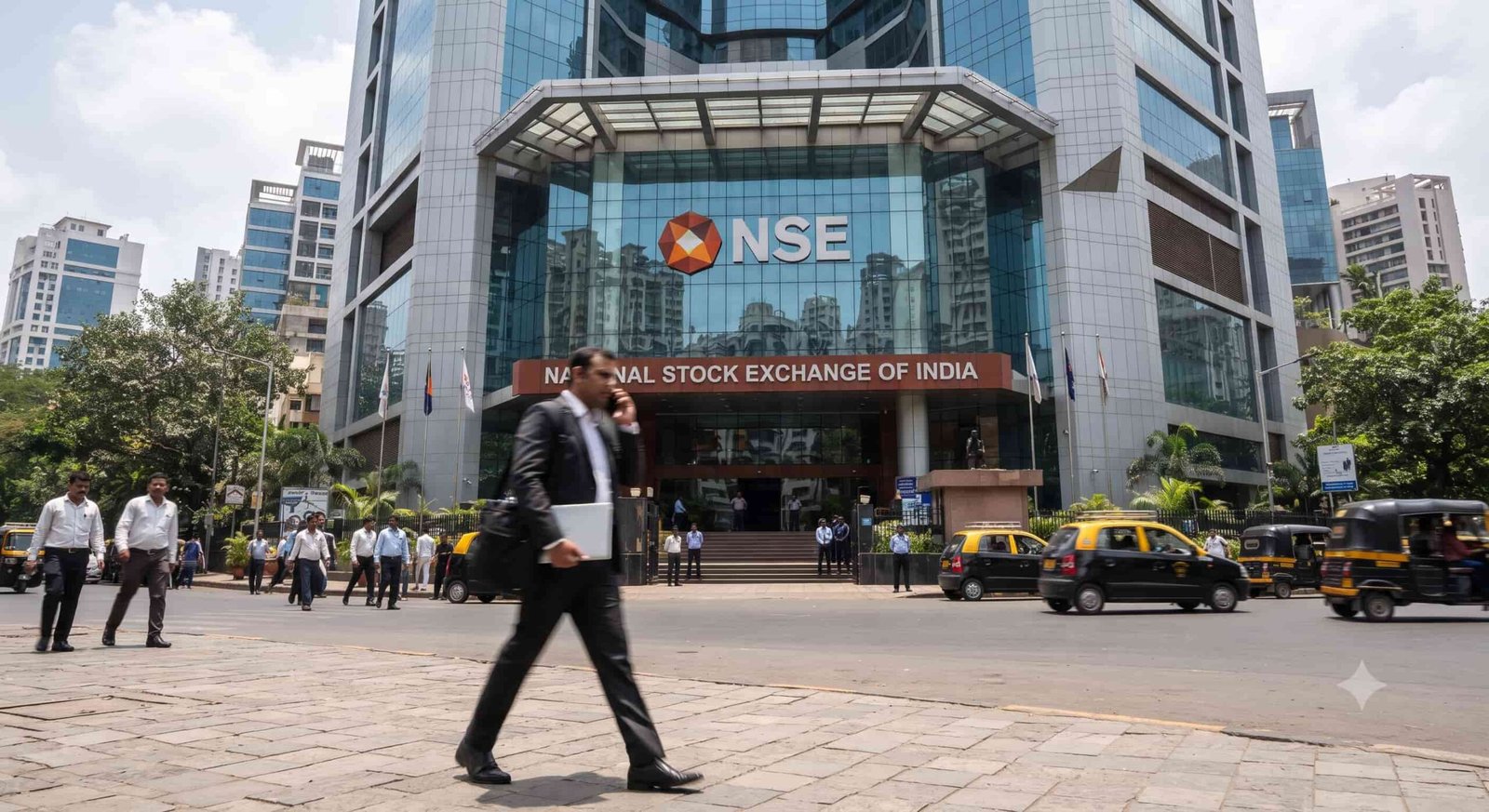
New closing auction framework takes effect across Indian bourses to curb price volatility in derivative-linked equities.
MUMBAI – 4 August 2026 — The Securities and Exchange Board of India (SEBI) has officially implemented its new Closing Auction Session (CAS) for cash-market stocks with active derivative contracts, fundamentally altering how final settlement prices are determined.
Mechanics of the New Framework
Under the updated operational guidelines, the price discovery mechanism for equity derivatives (F&O) eligible scrips no longer relies on the volume-weighted average price (VWAP) of the final thirty minutes of trade. Instead, a dedicated auction window between 3:15 PM and 3:35 PM establishes a single, uniform closing price designed to maximize executed volume.
Non-derivative cash segment equities continue to follow legacy closing protocols terminating at 3:30 PM. Meanwhile, trading legs for index and stock futures and options have been extended until 3:40 PM to accommodate post-auction derivatives adjustments.
Regulatory Intent and Market Integrity
Market regulators introduced the reform to mitigate end-of-day price manipulation and sudden spikes driven by algorithmic execution near market close. By enforcing a strict $\pm3\%$ boundary band during the auction phase, SEBI aims to reflect genuine institutional and retail demand.
Exchange officials noted that the transition provides heightened transparency for mutual fund net asset value (NAV) calculations and index closing values.
Impact on Expiry Day Strategies
Traders navigating weekly and monthly expiry cycles face modified execution dynamics, particularly regarding final-hour payoff calculations. Institutional participants have spent initial sessions adapting risk management models to account for the segregated closing timelines between derivative and non-derivative counters.
Compliance desks across domestic brokerages reported smooth system integration following the rollout, with order-matching engines processing the inaugural auction blocks without technical disruption.