As the United States and Israel launched a major military operation against Iran, the shockwaves have quickly reached British shores. From skyrocketing petrol prices to mortgage chaos and rising energy bills, the Iran conflict is already having a serious impact on everyday life in the UK. Here is everything you need to know about how the war is affecting Britain’s economy — and what it could mean for your wallet. OIL PRICES SURGE PAST $100 PER BARREL
The moment the US-Israel attack on Iran was confirmed, global oil markets went into shock. Oil prices surged past $100 per barrel almost immediately — a level not seen in years. Iran is one of the world’s major oil-producing nations, and any disruption to its output — or to shipping routes through the Persian Gulf — sends prices spiralling globally.
The Strait of Hormuz, through which nearly 20% of the world’s oil passes, is now under serious threat. UK Maritime Trade Operations (UKMTO) confirmed 17 shipping incidents in the region between 28 February and 11 March 2026 — including 13 attack reports. Commercial shipping has nearly come to a standstill, threatening the flow of oil, LNG, and chemicals to the UK and Europe.
PETROL PRICES AT THE PUMP: WHAT TO EXPECT
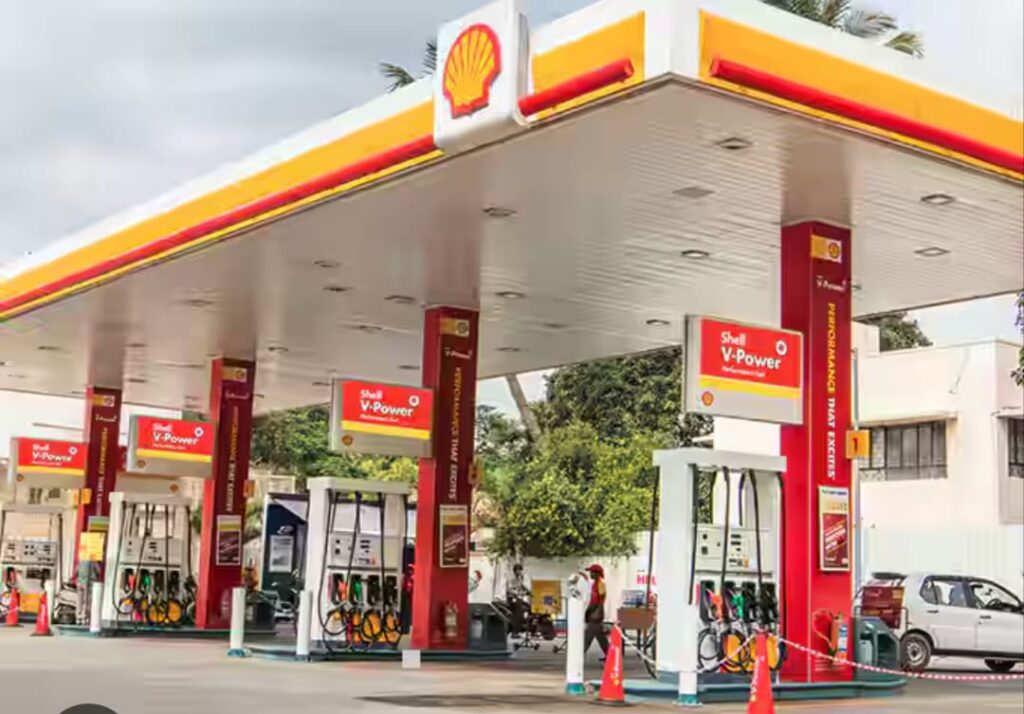
For UK drivers, the Iran war means one thing above all else — higher petrol prices. When oil prices rise globally, the cost of fuel at UK forecourts follows closely behind, usually within days.
Analysts are already warning that petrol prices could rise by 10–15 pence per litre if oil stays above $100 per barrel. For a typical family car with a 55-litre tank, that means an extra £5.50–£8.25 per fill-up — adding up to £20–£35 in extra monthly costs per household.
Diesel prices are also expected to rise sharply, affecting haulage companies, delivery services, and businesses that rely on road transport — costs which will ultimately be passed on to consumers.
ENERGY BILLS SET TO RISE
The Iran war does not just mean higher petrol prices — it also threatens to push up household energy bills. The UK imports a significant portion of its natural gas through LNG shipments, many of which pass through the Persian Gulf region.
With shipping in the Strait of Hormuz severely disrupted, LNG supply chains are under serious pressure. Energy experts are now warning that the conflict could push the Ofgem price cap higher in the coming months if the disruption continues.