Key Highlights: Trump Iran Ultimatum 2026
- Strategic Deadline: President Trump issues a 48-hour ultimatum for Iran to open the Strait of Hormuz or face “Hell.”
- Military Escalation: Iran claims to have downed two U.S. jets (F-15 and A-10); U.S. forces have successfully rescued two pilots while one remains missing.
- Nuclear Sites Targeted: Reports confirm strikes near Iran’s Bushehr nuclear facility, drawing international condemnation from Russia.
- Economic Shift: The White House requests a record $1.5 trillion defense budget to sustain the ongoing conflict.
The 48-Hour Countdown to ‘Hell’
President Donald Trump took to Truth Social on the morning of April 4, 2026, to issue his most severe warning yet to the Iranian leadership. Following the rejection of a U.S.-proposed 48-hour ceasefire, the President declared that time has officially run out. “48 hours before all Hell will reign down on them,” Trump posted, demanding the immediate reopening of the Strait of Hormuz.
The blockade of this vital waterway has already sent global energy markets into a tailspin. With nearly 20% of the world’s oil passing through the Strait, the U.S. administration has signaled that diplomatic patience has been replaced by a “maximum kinetic” strategy. Pentagon officials remain tight-lipped on specific targets, but the buildup of carrier strike groups in the Gulf suggests a massive air and sea operation is imminent should the deadline pass without a breakthrough.
Aerial Combat and the Search for Fallen Pilots
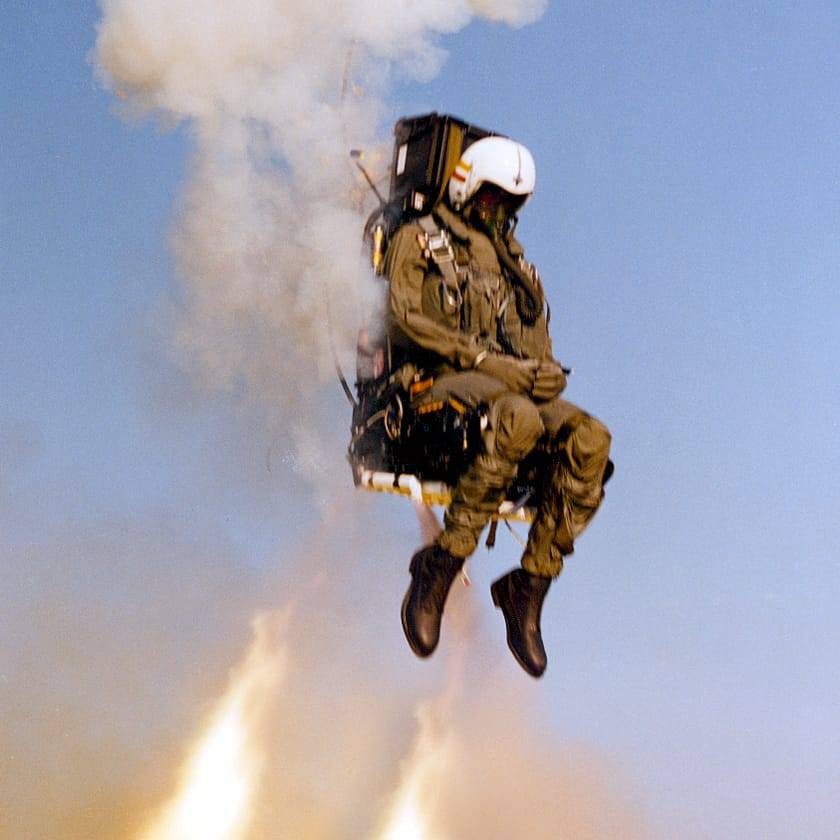
The rhetoric follows a series of harrowing military engagements. Iranian state media claimed their new air defense systems successfully targeted and downed a U.S. F-15 fighter jet and an A-10 Thunderbolt ground-attack aircraft. While the Pentagon initially characterized the incidents as “operational losses,” subsequent reports confirmed that U.S. Special Operations successfully extracted the A-10 pilot and one member of the F-15 crew.
The search for the second F-15 crew member is currently the most sensitive operation in the theater. U.S. and Iranian recovery teams are reportedly “racing each other” to the crash site in southwest Iran. The outcome of this search could dictate the scale of the U.S. response; a captured American serviceman would likely serve as the ultimate “red line” for the Trump administration, potentially triggering the ground operations the President has hinted at in recent days.
Global Condemnation of Nuclear Facility Strikes
Adding a layer of international complexity, an airstrike hit a support building near the Bushehr nuclear power plant earlier today. While Iran’s atomic agency reported the death of a security guard, Russia—which hosts staff at the facility—issued a blistering condemnation, labeling the strike an “evil deed” and a threat to global nuclear safety.
The strikes have also spilled over borders, with Iraq closing the Shalamcheh border crossing after civilian casualties were reported on the Iranian side due to intercepted debris. As the humanitarian toll rises, NATO Secretary-General Mark Rutte has expedited a visit to Washington to meet with President Trump and Secretary of State Marco Rubio, aiming to prevent a total “geostrategic impasse.”
Impact Analysis
The immediate impact of the April 4 escalation is three-fold:
- Economic: Domestic gas prices in the U.S. are projected to spike by another 15% by Monday as the 48-hour deadline looms. The $1.5 trillion defense budget request signals a shift toward a long-term war footing, likely necessitating cuts to domestic social programs.
- Military: The loss of advanced aircraft like the F-15 to Iranian defenses suggests that Tehran has successfully integrated sophisticated anti-air technology, potentially from foreign adversaries, complicating U.S. air superiority.
- Diplomatic: The rejection of the ceasefire and the “48-hour deal” ultimatum leaves virtually no room for back-channel negotiations. The U.S. is now on a collision course with Iran that could redefine Middle Eastern borders for the next decade.