Key Highlights
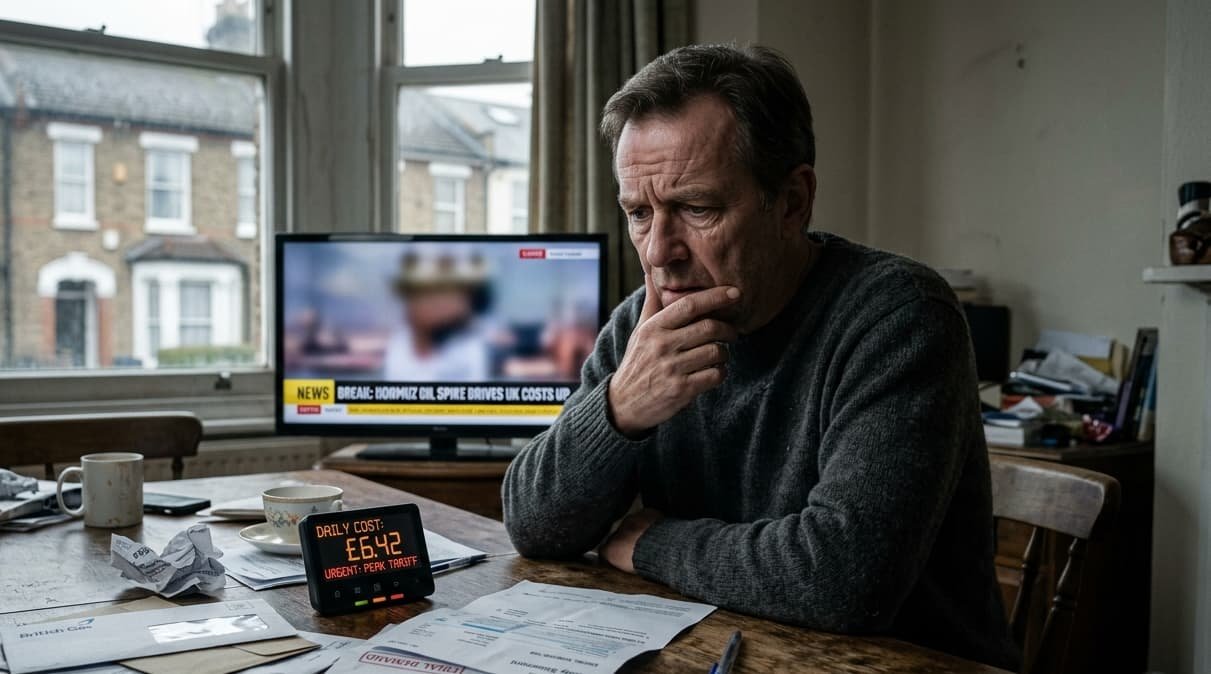
- Price Cap Plunge: Ofgem has officially lowered the energy price cap to £1,641 as of April 1, 2026, marking a significant drop for 29 million households.
- Hormuz Spike: Brent Crude surging past $105/barrel following the US blockade of Iran is threatening to wipe out domestic energy savings by summer.
- CFO Panic: Business confidence in London has crashed to a 6-year low as geopolitical risks in the Middle East dominate the Westminster agenda.
- Sterling Slide: The Pound faces pressure against the Dollar as markets digest the “Hormuz Shock” and its impact on UK inflation targets.
LONDON: Millions of Britons waking up to lower utility bills this April are being met with a sobering reality: the savings may be short-lived. While the Ofgem price cap has successfully fallen to £1,641—largely due to the removal of green levies—the unfolding naval blockade in the Strait of Hormuz has sent global energy markets into a tailspin. As of 12:30 PM BST, analysts at the London Stock Exchange are warning that the “peace dividend” on your energy bill is being eaten alive by a fresh “war premium.”
The ground reality is a tale of two trajectories. In Westminster, the government is hailing the £150 average saving as a win for the cost-of-living crisis. However, the City of London is already pricing in a massive hike for the July cap. With oil prices breaching the $105 mark this morning, the Chancellor’s “autumn budget” victory is being overshadowed by a geopolitical crisis that even the most aggressive tax cuts can’t fix.
Ground Reality: The High Street vs. The Boardroom
Walking through London’s financial district today, the tension is visible. Deloitte’s latest CFO survey reveals that business optimism has plummeted to levels not seen since the 2020 pandemic. Finance leaders aren’t looking at the April savings; they are obsessing over the Q3 outlook. We’ve observed several major UK infrastructure firms, including Balfour Beatty, aggressively buying back shares this morning—a classic defensive move to bolster equity as the “Hormuz Shock” ripples through the FTSE 100.
The Background: Policy Meets Global Volatility
The current price cap reduction was supposed to be a cornerstone of the UK’s economic recovery. By shifting ‘green levies’ to general taxation, the government effectively subsidised household energy. But the timing couldn’t be worse. The Bank of England, which recently held rates at 3.75%, now faces a nightmare scenario: a fresh inflationary spike driven by imported energy costs, just as they were preparing for a summer rate cut.
Common Man’s Pocket Impact
- Annual Bills: While your Direct Debit might look lower today, “Next Pledge” and “SVT” customers should expect warnings of a 15-20% hike in the July assessment.
- Pump Prices: Expect petrol and diesel at UK forecourts to rise by 4p-6p per litre by Wednesday morning.
- Commuting: Transport for London (TfL) users may see indirect pressure on fares later this year if energy costs for the Tube remain elevated.
Expert Verdict
The UK is currently “importing inflation” at an alarming rate. While the Ofgem cap provides a temporary cushion, the structural vulnerability of the UK’s energy mix to Middle Eastern geopolitics remains unaddressed. Unless oil stabilises below $95, April’s “savings” will be a mere footnote by June.