ISLAMABAD — The fragile hope for a lasting peace in West Asia evaporated in the early hours of Sunday morning as marathon negotiations between the United States and Iran collapsed without an agreement. In a swift and characteristic escalation, President Donald Trump announced a total U.S. naval blockade of the Strait of Hormuz, vowing to “blow to hell” any Iranian forces that interfere with American operations.
Key Highlights
- Negotiations Fail: High-stakes talks in Islamabad ended after 21 hours; VP JD Vance says Tehran rejected a “final and best offer.”
- Naval Blockade: Trump orders the U.S. Navy to interdict all ships entering or leaving the Strait of Hormuz effectively immediately.
- Economic Fallout: Global oil prices surged toward $100 per barrel following the announcement of the blockade.
- Military Readiness: Two U.S. destroyers, the USS Frank E. Peterson and USS Michael Murphy, have already entered the Strait to begin mine-clearing.
- Ultimatum: President Trump threatens China with 50% tariffs if they provide military assistance to Iran during the conflict.
A 21-Hour Marathon Ends in Stalemate
The historic face-to-face talks in Pakistan—the highest-level engagement between Washington and Tehran since 1979—began with a sense of desperate urgency. Led by Vice President JD Vance and Iranian Parliament Speaker Mohammad Bagher Ghalibaf, the delegations attempted to hammer out a deal to end six weeks of brutal warfare.
However, by Sunday evening, the mood had soured. “We gave them the best possible terms to ensure regional security and a complete halt to their nuclear ambitions,” Vance told reporters before departing Islamabad. “Tehran chose the path of defiance. We are leaving with no deal.”
Iranian officials countered, blaming “unreasonable American overreach” and a refusal to acknowledge Iran’s right to a civilian nuclear program. The 14-day ceasefire, currently the only thing keeping a lid on total regional meltdown, is now set to expire on April 22 with no renewal in sight.
The Strait of Hormuz: A New Front Line
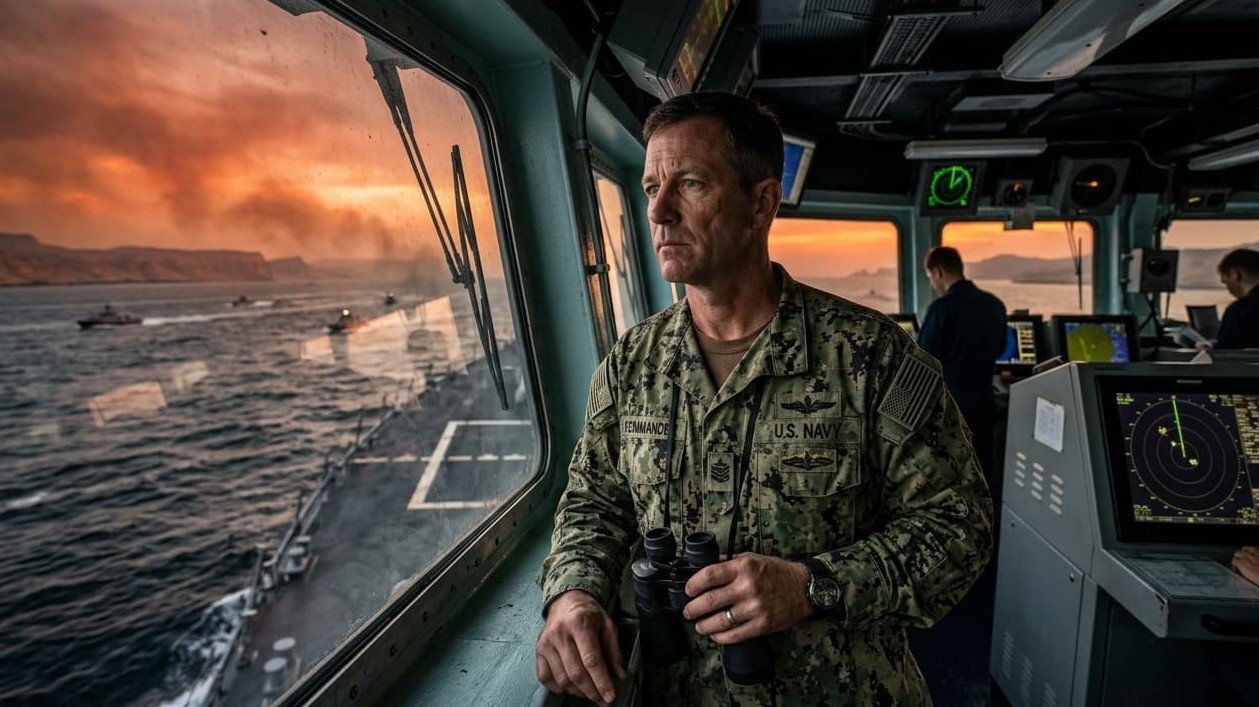
While the diplomats were talking, the warships were moving. President Trump’s directive for a total blockade marks a massive escalation in the 2026 Iran War. The President characterized Iran’s attempt to levy tolls on passing vessels as “world extortion.”
“The United States Navy, the finest in the world, will begin the process of BLOCKADING any and all ships,” Trump posted on social media. “We are sweeping the strait of mines. If they fire, they will be dealt with strongly.”
The U.S. Central Command (CENTCOM) confirmed that mine-clearing operations are already underway. The blockade aims to choke off Iran’s economic lifeblood while protecting global shipping lanes, but experts warn it brings the two nations closer to a direct, full-scale naval engagement than at any point in history.
Global Markets and the “China Factor”
The ripple effects were instantaneous. As news of the blockade broke, Brent Crude prices spiked, threatening to push U.S. gas prices to record highs just as the American summer driving season approaches.
Adding fuel to the fire, President Trump issued a stark warning to Beijing during a Sunday morning interview. Claiming that Chinese support is propping up the Iranian regime, Trump threatened a “staggering” 50% tariff on all Chinese goods if military aid continues. This raises the stakes from a regional conflict to a potential global trade war, leaving world leaders scrambling to find a middle ground that no longer seems to exist.
Impact Analysis
The collapse of the Islamabad talks signals a pivot from diplomacy to total attrition.
- Energy Security: With 20% of the world’s oil passing through Hormuz, a prolonged blockade will likely trigger a global inflationary spike.
- Regional Stability: Israel has already signaled it will continue its campaign against Hezbollah in Lebanon, unburdened by the failed ceasefire.
- Humanitarian Crisis: The failure to reach a deal ensures that the displacement and civilian casualties in Iran and neighboring regions will intensify as the April 22 deadline approaches.