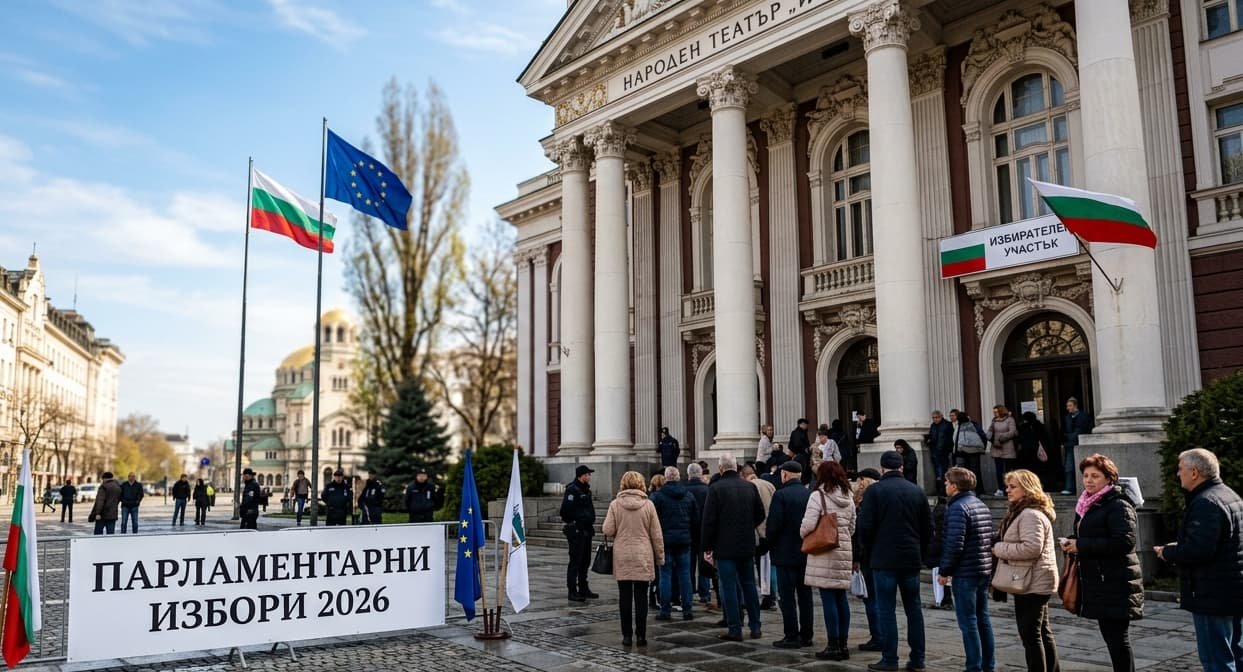
SOFIA, BULGARIA | APRIL 19Bulgarian citizens began voting on Sunday in the country’s eighth parliamentary election in just five years, following the collapse of the previous conservative-led government in December. The election comes after months of mass protests led by young citizens demanding an independent judiciary and more aggressive measures against corruption.
The Pro-Russia Shift? The election is being closely watched across the European Union as it could mark a significant shift in Bulgaria’s foreign policy. Former President Rumen Radev, a former air force general, has emerged as a key figure. Radev, who has previously criticized military aid to Ukraine and advocated for renewing ties with Moscow, is seeking to lead the government.
Political analysts suggest that if Radev’s faction gains ground, Bulgaria—a NATO and EU member—could join Hungary in challenging the bloc’s unified stance on the Russia-Ukraine conflict.
Strained Ties and Economic Concerns Opinion polls indicate a fragmented parliament once again. While the pro-European GERB party is expected to finish second, no single party is projected to win a clear majority, raising fears of yet another weak coalition government. The primary concern for voters remains the rising cost of living and the “oligarchic governance model” that protesters claim has stalled the country’s economic progress.
UK Looks to Europe Amid Middle East Tension Meanwhile, in London, Prime Minister Keir Starmer is reportedly preparing legislation to move the United Kingdom closer to the European Union. Sources suggest that the ongoing conflict in the Middle East and the “unpredictability” of the current U.S. administration have pushed the U.K. to seek deeper security and economic ties with the 27-nation bloc, a decade after the Brexit vote.