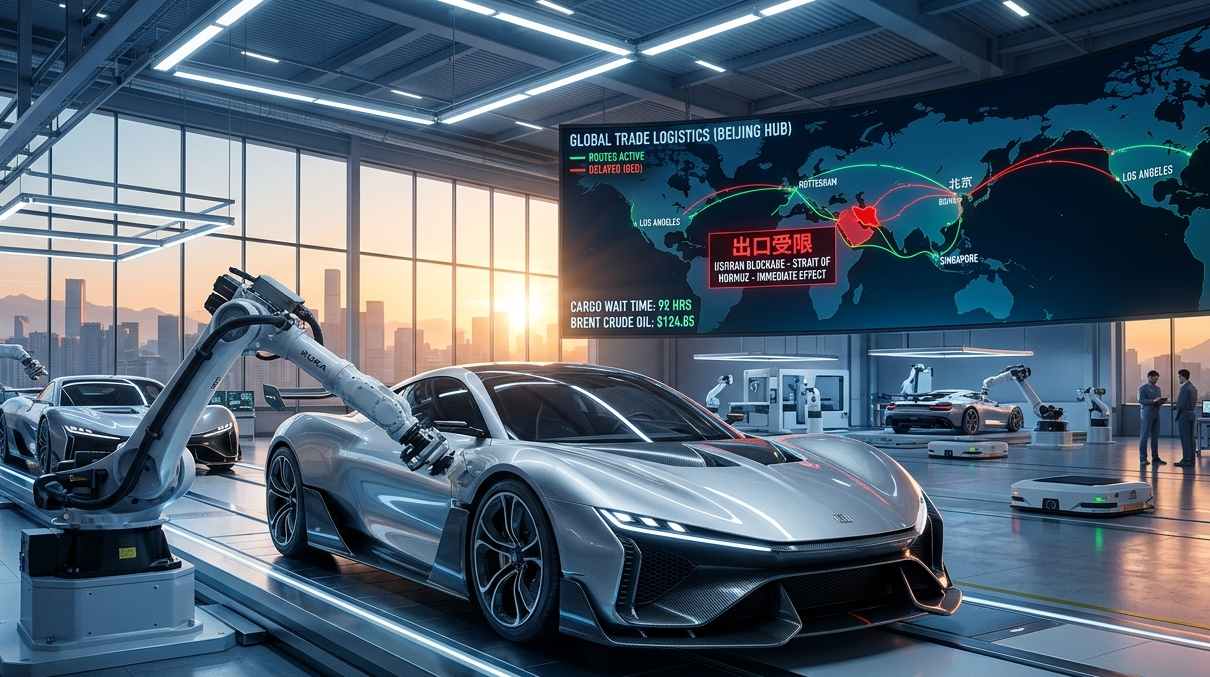
BEIJING: While the world’s eyes are glued to the naval blockades in the Middle East, a different kind of strategic maneuver is unfolding in the boardrooms of Beijing and Shenzhen. In the last 30 minutes, data from the Hong Kong Stock Exchange confirmed that Xiaomi has moved aggressively to buy back its own shares. This isn’t just corporate housekeeping; it’s a defensive wall being built against the “Global Oil Shock” that is currently bleeding Western markets dry.
The ground reality is that China is pivoting. The days of “cheap Chinese exports” are being replaced by a calculated “Supply Chain Squeeze.” By restricting vital raw materials like sulphuric acid, Beijing is sending a clear message: the world needs China’s manufacturing more than China needs global approval.
Key Highlights
- Xiaomi’s Stock Play: Xiaomi (01810.HK) repurchased 6 million shares today worth HKD 186M, a strategic move to stabilize investor confidence as global markets wobble.
- The ‘China Ban’ Ripple: Beijing’s upcoming ban on sulphuric acid exports (starting May 2026) is already crashing global fertilizer and metal stocks today.
- Trade Surplus Surge: China’s trade surplus is projected to hit a massive $112 Billion, even as the US-Iran blockade threatens the global energy supply chain.
- Price Hike Alert: EV giants including Xiaomi and BYD face “involution-style” competition, forcing a shift from discounts to high-tech premium pricing.
The Xiaomi Strategy: Buybacks and Vision GT
Xiaomi isn’t just a smartphone maker anymore; it’s a barometer for Chinese tech resilience. Despite a slight 1.1% dip in share prices today, the company’s massive buyback of 321 million shares since June shows they are playing the long game. Strategically, Xiaomi is moving away from the “Price War” that has cannibalized profits in the EV sector.
The big shift here is the debut of the Xiaomi Vision GT. By redefining hypercar design and integrating Leica-level imagery into their ecosystem, Xiaomi is aiming for the high-margin “Premium Tech” bracket. They are betting that global consumers will pay a premium for “Sovereign Tech” that isn’t dependent on volatile Western supply chains.
Manufacturing Squeeze: How This Hits Your Pocket
If you think the US-Iran blockade only affects petrol, think again. Beijing’s latest policy moves are designed to hit global manufacturing where it hurts. The planned ban on sulphuric acid exports is a “silent killer” for the global fertilizer and battery industries.
In markets like India and Europe, fertilizer stocks have already plummeted by 5% this morning. The logic is simple: less Chinese acid means more expensive batteries and more expensive food. China is effectively exporting its inflation to the rest of the world while keeping its own “Green Transition” shielded by domestic reserves.
BYD and The ‘Involution’ Crisis
Even a giant like BYD is feeling the heat. While they remain the world’s volume leader, the “involution-style” (cut-throat) competition in China is forcing them to look toward Formula 1 and high-end tech to maintain dominance. The final US anti-dumping ruling on Chinese MDI (chemicals) with tariffs hitting 85% is the final nail in the coffin for “easy” trade.
China’s market regulators are now telling firms to “hold the line” on prices. For the global consumer, the takeaway is clear: the era of “discounted” Chinese EVs and tech is ending. You will soon pay more for the same tech, as Chinese firms pass on the “Tariff Burden” to international buyers.
Expert Verdict
China is no longer playing defense. By leveraging its control over raw materials (Sulphuric Acid) and stabilizing its tech giants through buybacks, Beijing is preparing for a “High-Cost Trade Era.” The “Brussels Effect” of regulation is being met with the “Beijing Effect” of supply control.
Impact Analysis: Global Trade Fallout
- Rising Tech Prices: Expect a 10-15% hike in high-end electronics and EVs by Q4 2026 as China ends the domestic price wars.
- Agriculture Crisis: The sulphuric acid ban will lead to a global shortage of phosphate fertilizers, potentially raising global food prices by early 2027.
- Supply Chain Redesign: Western firms will be forced to “de-risk” even faster, but the cost of building non-Chinese infrastructure will keep global inflation elevated.